

Unleashing the Power of Asus Predator G7 SSD: An In-Depth Look at Biwin's Latest Creation
Ready to get started?
You can mail us your storage media or visit our company address.
Asus Branded Predator NVMe SSD
Over the years, Asus has been making waves in the computer equipment industry with its reliable and high-performance products. One of their latest offerings is the Asus Predator SSD, a PCIe Gen4 drive designed to compete with top brand-name drives like WD, Samsung, Seagate, and Sabrent. Manufactured by Biwin, the Predator GM7 is a DRAM-less drive with impressive technical specifications and endurance. We will explore the Predator GM7 and its features, including its thermal management capabilities and DRAM-less design.
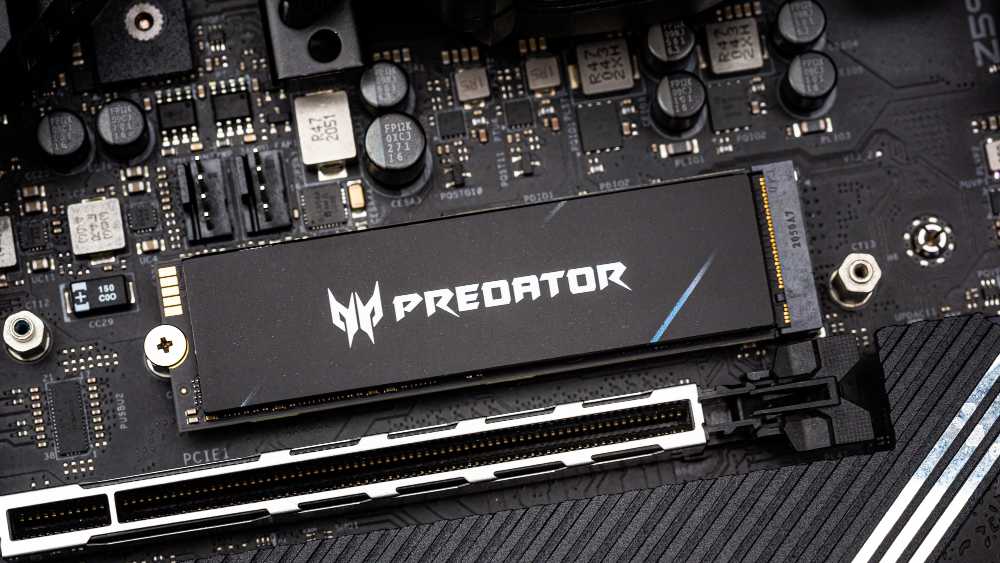
Biwin Manufacturing and Technical Specifications
The Asus Predator SSD is manufactured by Biwin, a company some readers may know as the manufacturing partner for HP-branded SSDs, such as the HP FX900 Pro. Acer also manufactures computer equipment under the Predator brand. However, for the SSD products under the Predator brand, Acer is not involved, and these drives are entirely created by Biwin. Nevertheless, sales listings for the Predator drives often include Acer's name.
Moving on to the technical aspects, the Predator GM7 uses a Maxio MAP1602 controller. Biwin does not disclose the exact technology behind the NAND, only stating clearly that "the NAND flash used in the GM7 is not based on 232-layer NAND flash." The Maxio controller is easy to confirm, and there is no DRAM cache, which constitutes all the significant components of this drive.
Predator GM7 Performance and Endurance
The main difference between the Asus Predator GM7000 and the GM7 lies in the DRAM-less design, which saves costs. Sequential read speeds are rated at 7200 MB/s, and write speeds at 6300 MB/s. These are fairly good specifications for a PCIe Gen4 drive, especially for a DRAM-less design. Endurance is rated at 600 TBW, which is satisfactory for a 1TB drive. The warranty is the industry standard of 5 years for premium drives, which is good. Only time will tell with the GM7 and its eventual release, but if the GM7 represents the future of DRAM-less SSDs.
Asus Predator Data Recovery Aspects
In terms of data recovery, the Asus Predator SSD has some unique features that may affect the success rate. One potential issue that may arise is overheating. Like any other component, SSDs generate heat during operation, and excessive heat can lead to drive failure or even complete breakdown. However, the Predator GM7 is designed with thermal management in mind, featuring a robust aluminum heatsink to help dissipate heat effectively. This means the drive is less likely to overheat and suffer data loss or corruption.
Another aspect to consider for data recovery is the drive's endurance. Endurance refers to the amount of data that can be written to the drive before it starts to fail. The Predator GM7 is rated for 600 TBW (600 terabytes of data written), which is quite satisfactory for a 1TB drive. However, if the drive is heavily used and nearing its endurance limit, SSD data recovery can become more difficult or even impossible. It is important to keep an eye on the drive's health and replace it when necessary to avoid data loss. Overall, the excellent thermal management and endurance of the Predator GM7 make it a solid choice for users looking for a high-performance, reliable, and secure SSD.
In summary, the excellent thermal management and endurance of the Predator GM7 make it a solid choice for users looking for a high-performance SSD that is also reliable and secure.
Professional Data Recovery Services
If data loss does occur on an Asus Predator SSD, it may be necessary to seek professional data recovery services. These services specialize in recovering data from damaged or failed drives and have the necessary expertise and tools to retrieve lost files. However, it is important to choose a reputable and experienced data recovery provider to ensure your data is handled safely and with extreme care. These services can be quite expensive, ranging from several hundred to several thousand dollars depending on the extent of the damage and the amount of data to be recovered. It is also worth noting that not all data recovery attempts are successful, so it is important to have realistic expectations and be prepared for the possibility that some data may be permanently lost. Overall, while professional data recovery services can be a valuable resource for those experiencing data loss, prevention is always the best approach, and regular backups can help minimize the risk of permanent data loss.